


 By Guest - July 12, 2026
_12-59-2026_09-59.png)
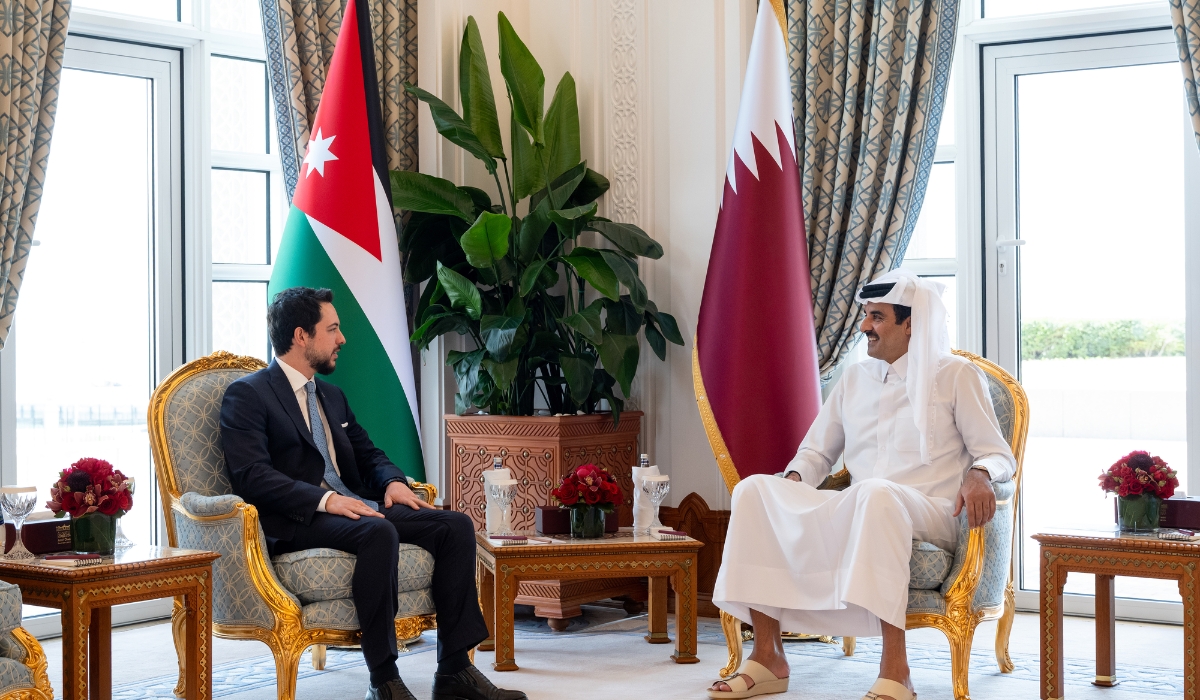
The Republic of Lebanon has declared official mourning and ordered flags at all government departments, public institutions, and municipalities lowered to half-mast for a four-day period, following the passing of Sheikh Hamad bin Khalifa Al Thani, the Father Amir of the State of Qatar, who died Sunday at the age of 74.
According to Lebanon's Cabinet, Prime Minister Dr. Nawaf Salam issued a memorandum outlining the mourning period, which runs from Sunday through the following Wednesday, and also amended the normal programming of Lebanese radio and television stations to reflect the occasion. The Cabinet said the decision aligns with the solemnity of the moment, praying that Sheikh Hamad be granted eternal mercy and Paradise.
A Personal Tribute From Lebanon's Prime Minister
In his own statement, Prime Minister Salam expressed sorrow over Sheikh Hamad's passing, specifically highlighting the late Father Amir's longstanding support for Lebanon, particularly during periods of crisis, and praising his political and humanitarian contributions to strengthening the country's stability. Salam extended his condolences to Qatar's current Amir, Sheikh Tamim bin Hamad Al Thani, as well as to Prime Minister and Foreign Minister Sheikh Mohammed bin Abdulrahman Al Thani and the Qatari people.
Officials noted that Sheikh Hamad will remain in the memory of the Lebanese people for the political and humanitarian support he extended to Lebanon during some of its most difficult periods, a legacy that includes Qatar's mediation of the landmark 2008 Doha Agreement, which ended an 18-month political crisis in Lebanon.
Part of a Wave of Regional Mourning
Lebanon's gesture joins a broader wave of official mourning declared across the region and beyond. Qatar itself announced four days of national mourning beginning Sunday, suspending work at government agencies and public bodies, with civil servants expected to resume duties on July 19. The UAE's Presidential Court likewise announced four days of mourning, with flags lowered at government institutions domestically and at its embassies and diplomatic missions abroad. India separately declared a one-day national mourning, with its national flag flown at half-mast throughout the country.
World leaders across the Arab world and beyond offered condolences, including Egyptian President Abdel Fattah el-Sisi, UAE President Sheikh Mohamed bin Zayed Al Nahyan, Dubai Ruler Sheikh Mohammed bin Rashid, and Libya's Abdul Hamid Dbeibah, reflecting the scale of Sheikh Hamad's influence across the region during his nearly two decades in power.
A Legacy Rooted in Regional Diplomacy
Sheikh Hamad ruled Qatar from 1995 until his voluntary abdication in 2013, when he handed power to his son, Sheikh Tamim, in a rare peaceful transition among hereditary Gulf rulers. During his rule, Qatar emerged as an influential diplomatic actor, frequently serving as a mediator in regional conflicts. In addition to brokering the 2008 Doha Agreement in Lebanon, his government facilitated peace talks between Sudan's government and Darfur rebel groups that led to the 2011 Doha Document for Peace in Darfur, mediated ceasefire efforts in Yemen, and helped ease tensions between Chad and Sudan, as well as between Djibouti and Eritrea.
His tenure also saw the 1996 launch of Al Jazeera, the Qatar-funded broadcaster that grew into one of the world's most influential news networks, alongside a rapid expansion of Qatar's liquefied natural gas industry that helped establish the country as one of the wealthiest in the world by GDP per capita.
_14-35-2026_09-35.jpg)

_19-42-2026_10-42.jpg)
.jpg)

_20-08-2026_05-08.jpg)
_27-51-2026_11-51.png)
_27-43-2026_12-43.png)



.jpg)
.jpg)

.jpg)


.jpg)
.png)
.jpg)












Leave a comment